Buy icr.co.at ?
We are moving the project
icr.co.at .
Are you interested in purchasing the domain
icr.co.at ?
domain@kv-gmbh.de · 0541-91531010
Buy icr.co.at ?
What is meant by proton donors and proton acceptors?
Proton donors are substances that can donate a proton (H+) to another substance. This typically involves the release of a hydrogen ion. Proton acceptors, on the other hand, are substances that can accept a proton from another substance. This typically involves the uptake of a hydrogen ion. In the context of acid-base reactions, proton donors are acids, while proton acceptors are bases. **
What determines a proton donor and a proton acceptor?
A proton donor is a substance that can release a proton (H+) in a chemical reaction, while a proton acceptor is a substance that can accept a proton. This ability is determined by the presence of a hydrogen atom with a positive charge (H+) in the molecule. In general, substances with a lone pair of electrons, such as a hydroxide ion (OH-) or an amine group (NH2), can act as proton acceptors, while substances with a hydrogen atom bonded to an electronegative atom, such as a hydrochloric acid (HCl) or acetic acid (CH3COOH), can act as proton donors. **


Similar search terms for Proton
Top-Angebote
Products related to Proton:
-
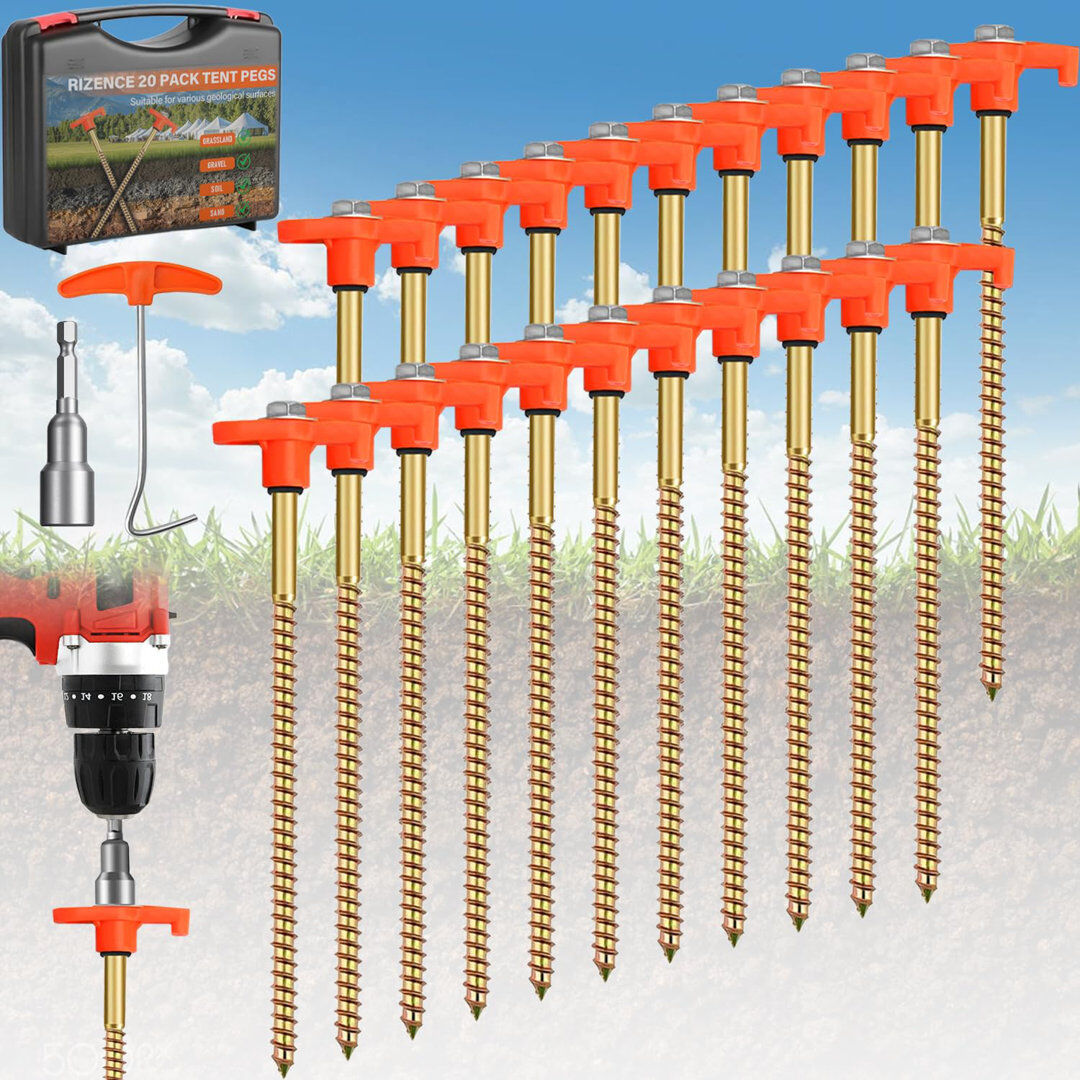
Chengdu Menghejia Technology Co., Ltd. Tent GoldTent Pegs set includes 20 x Tent Pegs, 1 x Hexagon socket, 1 x Tent peg puller, 1 x Portable carrying case. The camping pegs are 20cm long and 8mm in diameter, with thread details for stronger grip and adaptability to various surfaces Screw in tent pegs have hard pointed tips that can be easily inserted into grass, hard soil and gravel! The spiral design makes it easy to screw into the ground with a cordless drill and remove it just as quickly. Tent pegs are covered with galvanized coating, which has excellent rust and corrosion resistance, ensuring long-lasting durability in various weather conditions. Even in rainy and humid environments for a long time, the strong tent pegs can provide excellent stability. Hard ground tent pegs are made of high-quality carbon steel and are designed for hard terrain. The spiral design provides stronger grip, whether it is hard surface, rocky ground or gravel, the rock pegs can be firmly inserted and fixed. Brand Name: Chengdu Menghejia Technology Co., Ltd..89,99 £*Shipping: 0,00 £Secure redirect to the provider
-
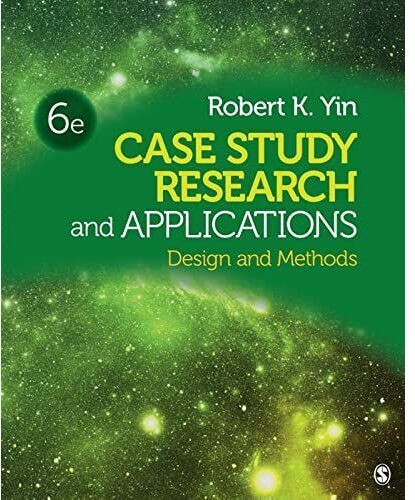
SAGE Publications Case Study Research and Applications: Design and MethodsRecognized as one of the most cited methodology books in the social sciences, the Sixth Edition of Robert K. Yin′s bestselling text provides a complete portal to the world of case study research. With the integration of 11 applications in this edition, the book gives readers access to exemplary case studies drawn from a wide variety of academic and applied fields. Ultimately, Case Study Research and Applications will guide students in the successful use and application of the case study research method.59,99 £*Shipping: 0,00 £Secure redirect to the provider
-
Sesderma Reti Age 5 Liposomal Serum Anti-Aging Innovation 30mLA facial serum for wrinkles and signs of ageing. Reduces wrinkles and fine lines. Hydrates and strengthens barrier. Restores youthful radiance. 5-Retinoid System: smooths wrinkles, accelerates renewal, and boosts collagen. Biomimetic Peptides: fill expression lines by stimulating collagen synthesis.53,26 £*Shipping: 5,22 £Secure redirect to the provider


-
What is proton donation and proton acceptance in chemistry?
Proton donation and proton acceptance are key concepts in acid-base chemistry. Proton donation refers to the transfer of a hydrogen ion (proton) from one substance to another. This typically occurs when an acid donates a proton to a base. Proton acceptance, on the other hand, involves the acceptance of a proton by a substance, often a base, leading to the formation of a new chemical species. These processes are fundamental to understanding the behavior of acids and bases in chemical reactions. **
-
Why are carboxylic acids proton donors and amines proton acceptors?
Carboxylic acids are proton donors because they contain a highly electronegative oxygen atom that can stabilize the resulting carboxylate anion by delocalizing the negative charge. Amines, on the other hand, are proton acceptors because they contain a lone pair of electrons on the nitrogen atom that can readily accept a proton to form a positively charged ammonium ion. This ability to donate or accept protons is due to the presence of functional groups in these molecules that can easily gain or lose a hydrogen ion in solution. **
-
Are there only proton-proton collisions in the particle accelerator?
No, there are not only proton-proton collisions in the particle accelerator. Particle accelerators can also collide protons with other particles such as electrons or heavy ions like lead or gold. These collisions are important for studying different aspects of particle physics and for exploring the fundamental forces and particles that make up the universe. By colliding different types of particles, scientists can gain a better understanding of the fundamental building blocks of matter and the forces that govern their interactions. **
-
How secure is Proton?
Proton is considered to be a highly secure email service. It offers end-to-end encryption for emails, meaning that only the sender and recipient can read the contents of the messages. Proton also uses strong encryption protocols to protect user data and has a strict privacy policy that ensures user information is not shared with third parties. Additionally, Proton is based in Switzerland, known for its strong privacy laws, adding an extra layer of security for users. **

What are proton currents?
Proton currents refer to the flow of protons, which are positively charged particles, through a medium. This flow of protons can occur in various contexts, such as in biological systems, in proton-conducting materials, or in the context of proton exchange membrane fuel cells. Proton currents are important in many physiological processes, such as the generation of energy in cells through the process of oxidative phosphorylation. In the context of proton-conducting materials and fuel cells, proton currents are important for the generation of electrical energy. **
What is proton decay?
Proton decay is a theoretical process in which a proton, one of the fundamental particles that make up an atom's nucleus, decays into lighter particles. This process is predicted by some grand unified theories (GUTs) that seek to unify the electromagnetic, weak, and strong nuclear forces. If proton decay were to occur, it would have profound implications for our understanding of the fundamental forces and particles in the universe. However, despite extensive experimental efforts, proton decay has not been observed, and its theoretical prediction remains unconfirmed. **
Top-Angebote
Products related to Proton:
-
Of Wheels Deals Geely Proton Ultra Bright LED Trunk Light Upgrade Geely Proton Ultra Bright LED Trunk Light UpgradeBring a brighter and more convenient driving experience to your vehicle with this premium LED trunk light designed for Geely EX2 and Proton e.MAS 5 models. This upgrade enhances trunk visibility while adding a stylish modern touch to your car...47,97 $*Shipping: 0,00 $Secure redirect to the provider
-
Board and Dice Nucleum Energy Research Institute Board Game - Strategic Economic Board Game with Energy Networks and Research DevelopmentBuild an industrial empire in an alternate twentieth century transformed by the Uranium Revolution. Compete to develop powerful energy networks, attract investment, and earn the support of influential patrons. Plan routes, expand research, and connect cities as you develop increasingly ambitious technologies. Every decision affects progress, from constructing facilities to pursuing contracts and partnerships. Resource management and long-term planning are essential to succeed.23,20 £*Shipping: 3,95 £Secure redirect to the provider
-
Chengdu Menghejia Technology Co., Ltd. Tent GoldTent Pegs set includes 20 x Tent Pegs, 1 x Hexagon socket, 1 x Tent peg puller, 1 x Portable carrying case. The camping pegs are 20cm long and 8mm in diameter, with thread details for stronger grip and adaptability to various surfaces Screw in tent pegs have hard pointed tips that can be easily inserted into grass, hard soil and gravel! The spiral design makes it easy to screw into the ground with a cordless drill and remove it just as quickly. Tent pegs are covered with galvanized coating, which has excellent rust and corrosion resistance, ensuring long-lasting durability in various weather conditions. Even in rainy and humid environments for a long time, the strong tent pegs can provide excellent stability. Hard ground tent pegs are made of high-quality carbon steel and are designed for hard terrain. The spiral design provides stronger grip, whether it is hard surface, rocky ground or gravel, the rock pegs can be firmly inserted and fixed. Brand Name: Chengdu Menghejia Technology Co., Ltd..89,99 £*Shipping: 0,00 £Secure redirect to the provider
-
SAGE Publications Case Study Research and Applications: Design and MethodsRecognized as one of the most cited methodology books in the social sciences, the Sixth Edition of Robert K. Yin′s bestselling text provides a complete portal to the world of case study research. With the integration of 11 applications in this edition, the book gives readers access to exemplary case studies drawn from a wide variety of academic and applied fields. Ultimately, Case Study Research and Applications will guide students in the successful use and application of the case study research method.59,99 £*Shipping: 0,00 £Secure redirect to the provider
-
What is meant by proton donors and proton acceptors?
Proton donors are substances that can donate a proton (H+) to another substance. This typically involves the release of a hydrogen ion. Proton acceptors, on the other hand, are substances that can accept a proton from another substance. This typically involves the uptake of a hydrogen ion. In the context of acid-base reactions, proton donors are acids, while proton acceptors are bases. **
-
What determines a proton donor and a proton acceptor?
A proton donor is a substance that can release a proton (H+) in a chemical reaction, while a proton acceptor is a substance that can accept a proton. This ability is determined by the presence of a hydrogen atom with a positive charge (H+) in the molecule. In general, substances with a lone pair of electrons, such as a hydroxide ion (OH-) or an amine group (NH2), can act as proton acceptors, while substances with a hydrogen atom bonded to an electronegative atom, such as a hydrochloric acid (HCl) or acetic acid (CH3COOH), can act as proton donors. **
-
What is proton donation and proton acceptance in chemistry?
Proton donation and proton acceptance are key concepts in acid-base chemistry. Proton donation refers to the transfer of a hydrogen ion (proton) from one substance to another. This typically occurs when an acid donates a proton to a base. Proton acceptance, on the other hand, involves the acceptance of a proton by a substance, often a base, leading to the formation of a new chemical species. These processes are fundamental to understanding the behavior of acids and bases in chemical reactions. **
-
Why are carboxylic acids proton donors and amines proton acceptors?
Carboxylic acids are proton donors because they contain a highly electronegative oxygen atom that can stabilize the resulting carboxylate anion by delocalizing the negative charge. Amines, on the other hand, are proton acceptors because they contain a lone pair of electrons on the nitrogen atom that can readily accept a proton to form a positively charged ammonium ion. This ability to donate or accept protons is due to the presence of functional groups in these molecules that can easily gain or lose a hydrogen ion in solution. **
Similar search terms for Proton
-
Sesderma Reti Age 5 Liposomal Serum Anti-Aging Innovation 30mLA facial serum for wrinkles and signs of ageing. Reduces wrinkles and fine lines. Hydrates and strengthens barrier. Restores youthful radiance. 5-Retinoid System: smooths wrinkles, accelerates renewal, and boosts collagen. Biomimetic Peptides: fill expression lines by stimulating collagen synthesis.53,26 £*Shipping: 5,22 £Secure redirect to the provider
-
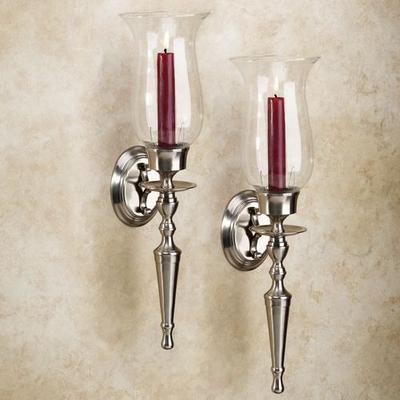
Flythe Consulting Arika Wall Sconce Pair, Pair, Satin NickelThe Arika Wall Sconce Pair is an adaptation of old-fashioned light fixtures, with an appealing design that will complement modern decor. The lacquered solid brass sconces have 4.75 dia.x7 H clear glass hurricanes that will protect your standard...179,00 $*Shipping: 22,95 $Secure redirect to the provider
-
Flythe Consulting Manor Wall Sconce Pair, Pair, Satin NickelHandcrafted of solid brass, the Manor Wall Sconce Pair features a curved arm design and a lacquered hand-finish. Each 4.75 dia.x7 H glass hurricane protects your taper from drafts. Each decorative wall sconce is 4.5 Wx7 Dx15 H. This item is our...169,00 $*Shipping: 22,95 $Secure redirect to the provider
-
Are there only proton-proton collisions in the particle accelerator?
No, there are not only proton-proton collisions in the particle accelerator. Particle accelerators can also collide protons with other particles such as electrons or heavy ions like lead or gold. These collisions are important for studying different aspects of particle physics and for exploring the fundamental forces and particles that make up the universe. By colliding different types of particles, scientists can gain a better understanding of the fundamental building blocks of matter and the forces that govern their interactions. **
-
How secure is Proton?
Proton is considered to be a highly secure email service. It offers end-to-end encryption for emails, meaning that only the sender and recipient can read the contents of the messages. Proton also uses strong encryption protocols to protect user data and has a strict privacy policy that ensures user information is not shared with third parties. Additionally, Proton is based in Switzerland, known for its strong privacy laws, adding an extra layer of security for users. **
-
What are proton currents?
Proton currents refer to the flow of protons, which are positively charged particles, through a medium. This flow of protons can occur in various contexts, such as in biological systems, in proton-conducting materials, or in the context of proton exchange membrane fuel cells. Proton currents are important in many physiological processes, such as the generation of energy in cells through the process of oxidative phosphorylation. In the context of proton-conducting materials and fuel cells, proton currents are important for the generation of electrical energy. **
-
What is proton decay?
Proton decay is a theoretical process in which a proton, one of the fundamental particles that make up an atom's nucleus, decays into lighter particles. This process is predicted by some grand unified theories (GUTs) that seek to unify the electromagnetic, weak, and strong nuclear forces. If proton decay were to occur, it would have profound implications for our understanding of the fundamental forces and particles in the universe. However, despite extensive experimental efforts, proton decay has not been observed, and its theoretical prediction remains unconfirmed. **
* All prices are inclusive of VAT and, if applicable, plus shipping costs. The offer information is based on the details provided by the respective shop and is updated through automated processes. Real-time updates do not occur, so deviations can occur in individual cases. ** Note: Parts of this content were created by AI.