Buy icr.co.at ?
We are moving the project
icr.co.at .
Are you interested in purchasing the domain
icr.co.at ?
domain@kv-gmbh.de · 0541-91531010
Buy icr.co.at ?
What are the consequences for economic development?
The consequences for economic development can vary depending on the specific situation. In general, corruption can hinder economic growth by diverting resources away from productive activities and creating an uneven playing field for businesses. It can also deter foreign investment and erode public trust in institutions, leading to a lack of confidence in the economy. Ultimately, corruption can stifle innovation, reduce competitiveness, and impede overall economic progress. **
How was the economic development in East Germany?
After World War II, East Germany was under Soviet control and implemented a centrally planned economy. This led to rapid industrialization, but the economy struggled to keep up with the more advanced West Germany. The lack of innovation, inefficiencies, and a focus on heavy industry rather than consumer goods hindered economic development in East Germany. Following the reunification of Germany in 1990, East Germany faced significant challenges in transitioning to a market economy and catching up with the West. **

Similar search terms for Economic
Top-Angebote
Products related to Economic:
-
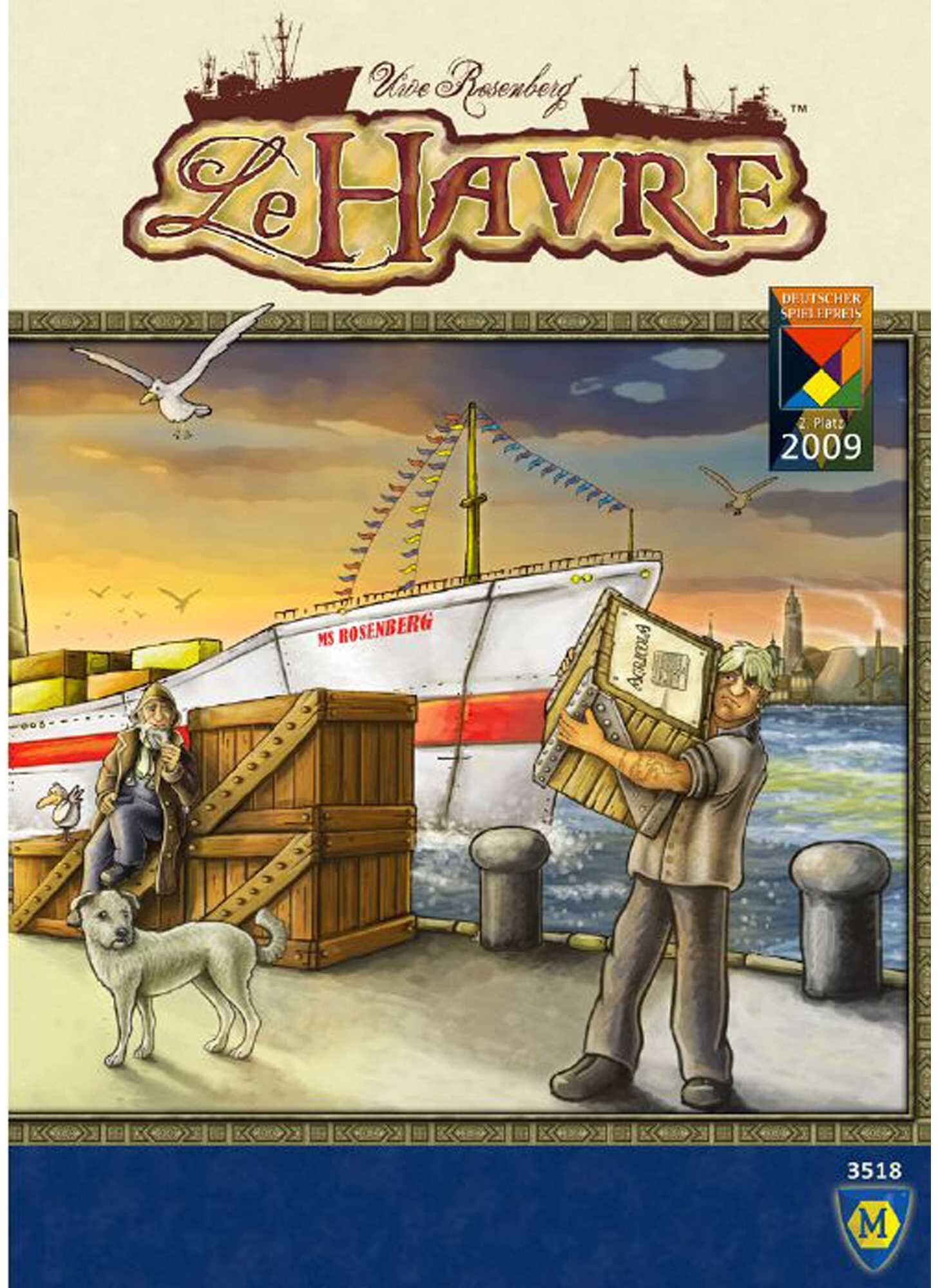
Lookout Spiele - Le Havre Strategic Board Game - Economic Strategy - Lookout SpieleBuild a thriving shipping business in the bustling port of Le Havre. This strategic board game challenges players to manage resources, develop buildings, and invest in ships as they expand their commercial empire. Each round presents important economic choices. Players acquire goods, process resources, and use the harbor's buildings to generate greater value. Careful planning is essential, as workers must be fed while investments and construction compete for limited funds and materials.43,67 £*Shipping: 3,95 £Secure redirect to the provider
-
Crowd Games Nippon: Zaibatsu - Strategic Economic Board Game for 1-4 PlayersStrategic economic board game set during Japan's Industrial Revolution. Players invest in businesses, develop industries, lay railways, and manufacture goods. Complete contracts, pursue bonuses, and shape long-term plans. Suitable for ages 15+. Approximately 60-120 minutes.64,05 £*Shipping: 0,00 £Secure redirect to the provider
-
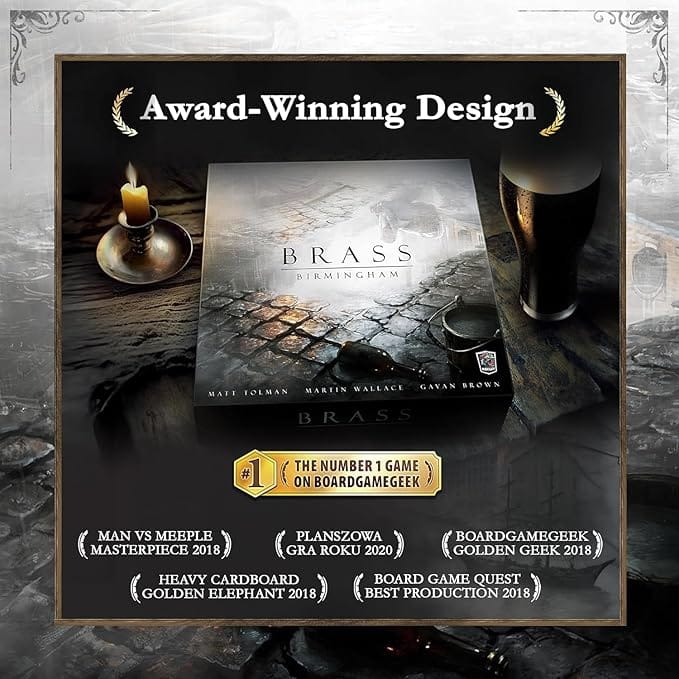
Roxley Games Brass: Birmingham - Economic Strategy Board Game - 30 × 29.8 × 5.2 cmBrass: Birmingham is an economic strategy board game set in Birmingham during the Industrial Revolution. Players take on the roles of competing entrepreneurs, developing industries, building networks, and managing resources as the city changes over time. This strategy game is a sequel to Brass, challenging players to plan carefully across two distinct periods. Construct industries, establish connections, and develop opportunities while responding to the changing demands of the marketplace. The game is designed by Martin Wallace and published by Roxley Games. It is supplied as a physical tabletop game, measuring approximately 30 × 29.8 × 5.2 cm. The game is made of brass-colored components.68,87 £*Shipping: 0,00 £Secure redirect to the provider
-
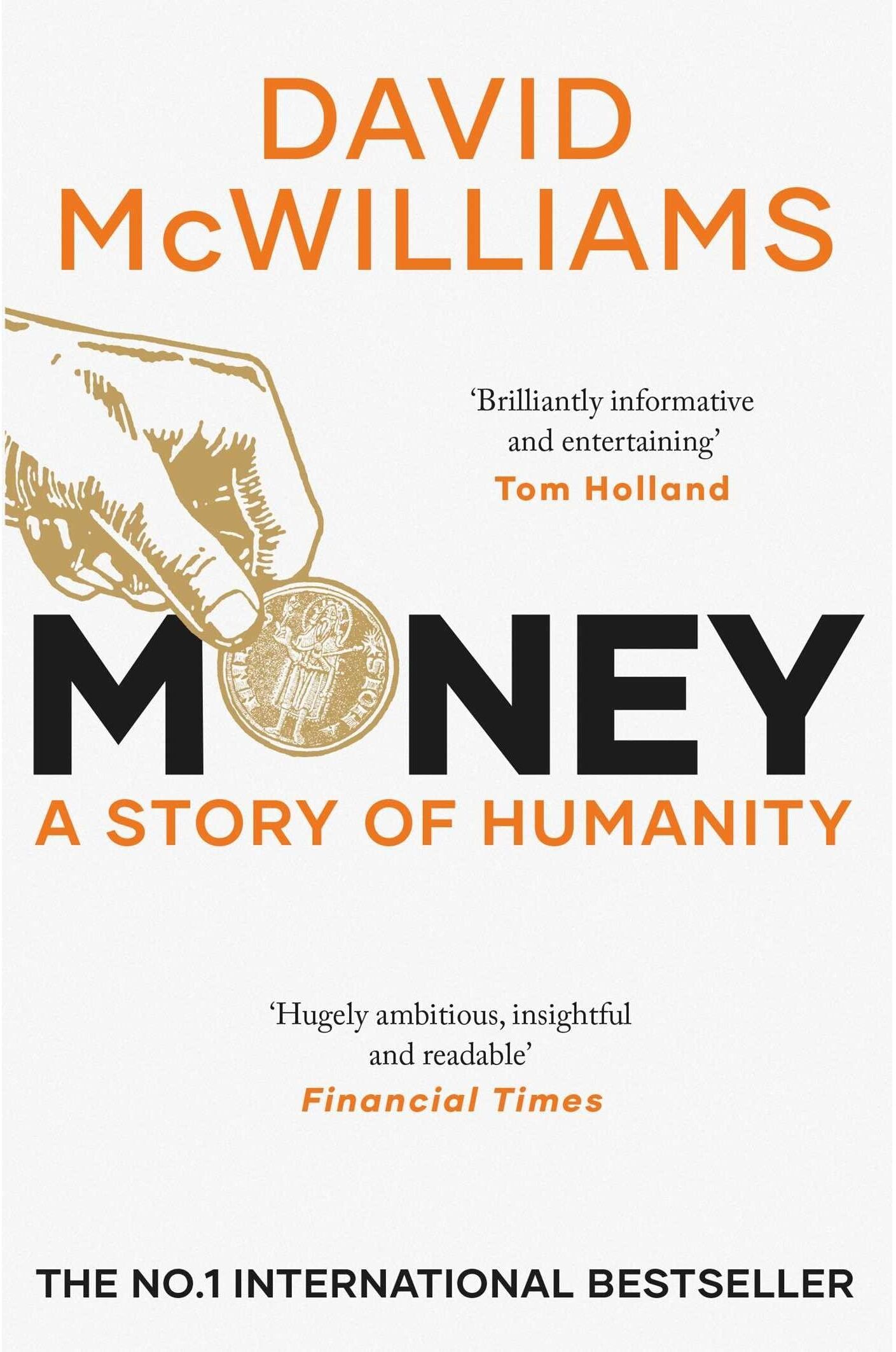
Simon & Schuster Money: A Story of Humanity by David McWilliams Economic History & Global Finance ExplainedIn Money: A Story of Humanity, renowned economist David McWilliams explores the fascinating history of money — not just as currency, but as a powerful force that has shaped human civilisation, relationships, technology, and global society. From ancient barter systems to cryptocurrency revolutions, McWilliams reveals how money reflects our values, ambitions, fears, politics, and culture.Rich with storytelling, sharp insights, and humour, this book makes complex economic ideas accessible, engaging, and deeply human. Perfect for readers who enjoy exploring how history, psychology, markets, and power intersect, Money: A Story of Humanity provides a fresh, eye-opening look at how money drives — and is driven by — human behaviour. Ideal for fans of Yuval Noah Harari, Tim Harford, Niall Ferguson, and Mary Beard.7,99 £*Shipping: 2,99 £Secure redirect to the provider

-
How does one become an economic development officer?
To become an economic development officer, one typically needs a bachelor's degree in economics, business administration, public administration, or a related field. Some employers may require a master's degree for higher-level positions. Relevant work experience in economic development, government, or business is also important. Additionally, obtaining certifications such as Certified Economic Developer (CEcD) can enhance one's qualifications for this role. Networking within the economic development field and staying updated on industry trends can also help in securing a position as an economic development officer. **
-
Can the economic development in Germany be applied?
Yes, the economic development in Germany can be applied to other countries. Germany's economic success is built on a strong manufacturing base, a highly skilled workforce, and a focus on innovation and technology. These are principles that can be adopted and adapted by other countries looking to improve their own economic development. Additionally, Germany's emphasis on vocational training and apprenticeship programs can serve as a model for other nations seeking to develop their workforce and reduce unemployment. Overall, Germany's economic development strategies can provide valuable lessons and inspiration for other countries looking to improve their own economic performance. **
-
How has the economic development evolved after reunification?
After reunification, East Germany underwent a period of economic transformation as it transitioned from a centrally planned economy to a market-oriented one. The process was challenging and led to a decline in industrial output and high unemployment rates in the East. However, significant investments were made in infrastructure, education, and industry, which eventually led to economic growth and convergence between East and West Germany. Today, the East German economy has made significant progress, with improved living standards and a more diversified economy, although disparities between the two regions still exist. **
-
How was the economic development in East Germany (DDR)?
After World War II, East Germany (DDR) experienced rapid industrialization and economic growth under Soviet influence. The government implemented a centrally planned economy, focusing on heavy industry and prioritizing production quotas over consumer goods. However, this led to inefficiencies, shortages, and a lack of innovation. Following the reunification of Germany in 1990, East Germany faced significant challenges in transitioning to a market economy, resulting in high unemployment and economic disparities between the East and West. **

What are exogenous and endogenous causes of economic development?
Exogenous causes of economic development refer to external factors that influence a country's economic growth, such as global economic conditions, technological advancements, and international trade agreements. On the other hand, endogenous causes of economic development are internal factors within a country that drive economic growth, such as human capital development, infrastructure investments, and institutional reforms. Both exogenous and endogenous causes play a significant role in shaping a country's economic development trajectory. **
What is the research question about the economic miracle?
The research question about the economic miracle typically focuses on understanding the factors that contributed to the rapid economic growth and development experienced by certain countries, such as Japan, South Korea, and Taiwan, in the post-World War II era. Researchers seek to uncover the specific policies, strategies, and conditions that enabled these countries to achieve such remarkable economic success in a relatively short period of time. By examining these case studies, scholars aim to draw lessons and insights that can be applied to other developing nations seeking to replicate similar economic miracles. **
Top-Angebote
Products related to Economic:
-
Board and Dice Nucleum Energy Research Institute Board Game - Strategic Economic Board Game with Energy Networks and Research DevelopmentBuild an industrial empire in an alternate twentieth century transformed by the Uranium Revolution. Compete to develop powerful energy networks, attract investment, and earn the support of influential patrons. Plan routes, expand research, and connect cities as you develop increasingly ambitious technologies. Every decision affects progress, from constructing facilities to pursuing contracts and partnerships. Resource management and long-term planning are essential to succeed.23,20 £*Shipping: 3,95 £Secure redirect to the provider
-
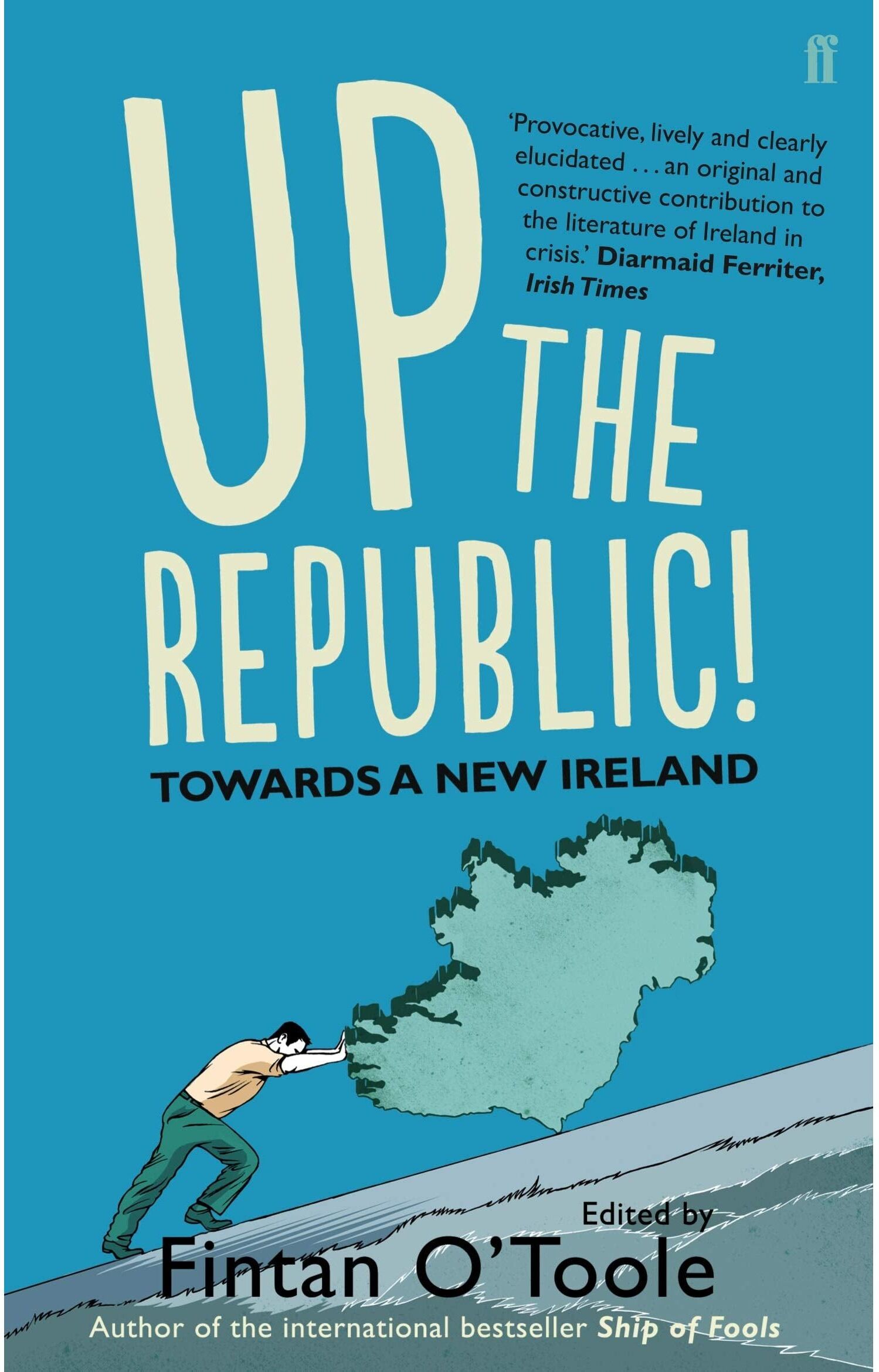
Faber Fintan O'Toole, Up the Republic! (Economic Book, Politics Book)Fintan O'Toole, Up the Republic! (Economic Book, Politics Book) In this important book, historians, lawyers, economists and writers come together to put a coherent case: that although the Irish economic collapse has resulted in national humiliation, renewed emigration and a decline in living standards for the majority of the population, there is still hope that the country can be reformed and renewed. Irish politicians offered the now notorious blanket guarantee to all the banks which had got in over their heads during the great property bubble - including one that had become little more than a criminal enterprise. A different set of politicians grimly enforces the consequences of that guarantee, locking an entire generation of Irish men and women into paying for the mistakes of greedy bankers and their corrupt friends in government. The energy of hope has to come from elsewhere. These essays demonstrate how simple measures and different economic and social policies could release that energy and fulfil the promise of an educated, literate and culturally vibrant people.4,99 £*Shipping: 1,99 £Secure redirect to the provider
-
Lookout Spiele - Le Havre Strategic Board Game - Economic Strategy - Lookout SpieleBuild a thriving shipping business in the bustling port of Le Havre. This strategic board game challenges players to manage resources, develop buildings, and invest in ships as they expand their commercial empire. Each round presents important economic choices. Players acquire goods, process resources, and use the harbor's buildings to generate greater value. Careful planning is essential, as workers must be fed while investments and construction compete for limited funds and materials.43,67 £*Shipping: 3,95 £Secure redirect to the provider
-
Crowd Games Nippon: Zaibatsu - Strategic Economic Board Game for 1-4 PlayersStrategic economic board game set during Japan's Industrial Revolution. Players invest in businesses, develop industries, lay railways, and manufacture goods. Complete contracts, pursue bonuses, and shape long-term plans. Suitable for ages 15+. Approximately 60-120 minutes.64,05 £*Shipping: 0,00 £Secure redirect to the provider
-
What are the consequences for economic development?
The consequences for economic development can vary depending on the specific situation. In general, corruption can hinder economic growth by diverting resources away from productive activities and creating an uneven playing field for businesses. It can also deter foreign investment and erode public trust in institutions, leading to a lack of confidence in the economy. Ultimately, corruption can stifle innovation, reduce competitiveness, and impede overall economic progress. **
-
How was the economic development in East Germany?
After World War II, East Germany was under Soviet control and implemented a centrally planned economy. This led to rapid industrialization, but the economy struggled to keep up with the more advanced West Germany. The lack of innovation, inefficiencies, and a focus on heavy industry rather than consumer goods hindered economic development in East Germany. Following the reunification of Germany in 1990, East Germany faced significant challenges in transitioning to a market economy and catching up with the West. **
-
How does one become an economic development officer?
To become an economic development officer, one typically needs a bachelor's degree in economics, business administration, public administration, or a related field. Some employers may require a master's degree for higher-level positions. Relevant work experience in economic development, government, or business is also important. Additionally, obtaining certifications such as Certified Economic Developer (CEcD) can enhance one's qualifications for this role. Networking within the economic development field and staying updated on industry trends can also help in securing a position as an economic development officer. **
-
Can the economic development in Germany be applied?
Yes, the economic development in Germany can be applied to other countries. Germany's economic success is built on a strong manufacturing base, a highly skilled workforce, and a focus on innovation and technology. These are principles that can be adopted and adapted by other countries looking to improve their own economic development. Additionally, Germany's emphasis on vocational training and apprenticeship programs can serve as a model for other nations seeking to develop their workforce and reduce unemployment. Overall, Germany's economic development strategies can provide valuable lessons and inspiration for other countries looking to improve their own economic performance. **
Similar search terms for Economic
-
Roxley Games Brass: Birmingham - Economic Strategy Board Game - 30 × 29.8 × 5.2 cmBrass: Birmingham is an economic strategy board game set in Birmingham during the Industrial Revolution. Players take on the roles of competing entrepreneurs, developing industries, building networks, and managing resources as the city changes over time. This strategy game is a sequel to Brass, challenging players to plan carefully across two distinct periods. Construct industries, establish connections, and develop opportunities while responding to the changing demands of the marketplace. The game is designed by Martin Wallace and published by Roxley Games. It is supplied as a physical tabletop game, measuring approximately 30 × 29.8 × 5.2 cm. The game is made of brass-colored components.68,87 £*Shipping: 0,00 £Secure redirect to the provider
-
Simon & Schuster Money: A Story of Humanity by David McWilliams Economic History & Global Finance ExplainedIn Money: A Story of Humanity, renowned economist David McWilliams explores the fascinating history of money — not just as currency, but as a powerful force that has shaped human civilisation, relationships, technology, and global society. From ancient barter systems to cryptocurrency revolutions, McWilliams reveals how money reflects our values, ambitions, fears, politics, and culture.Rich with storytelling, sharp insights, and humour, this book makes complex economic ideas accessible, engaging, and deeply human. Perfect for readers who enjoy exploring how history, psychology, markets, and power intersect, Money: A Story of Humanity provides a fresh, eye-opening look at how money drives — and is driven by — human behaviour. Ideal for fans of Yuval Noah Harari, Tim Harford, Niall Ferguson, and Mary Beard.7,99 £*Shipping: 2,99 £Secure redirect to the provider
-
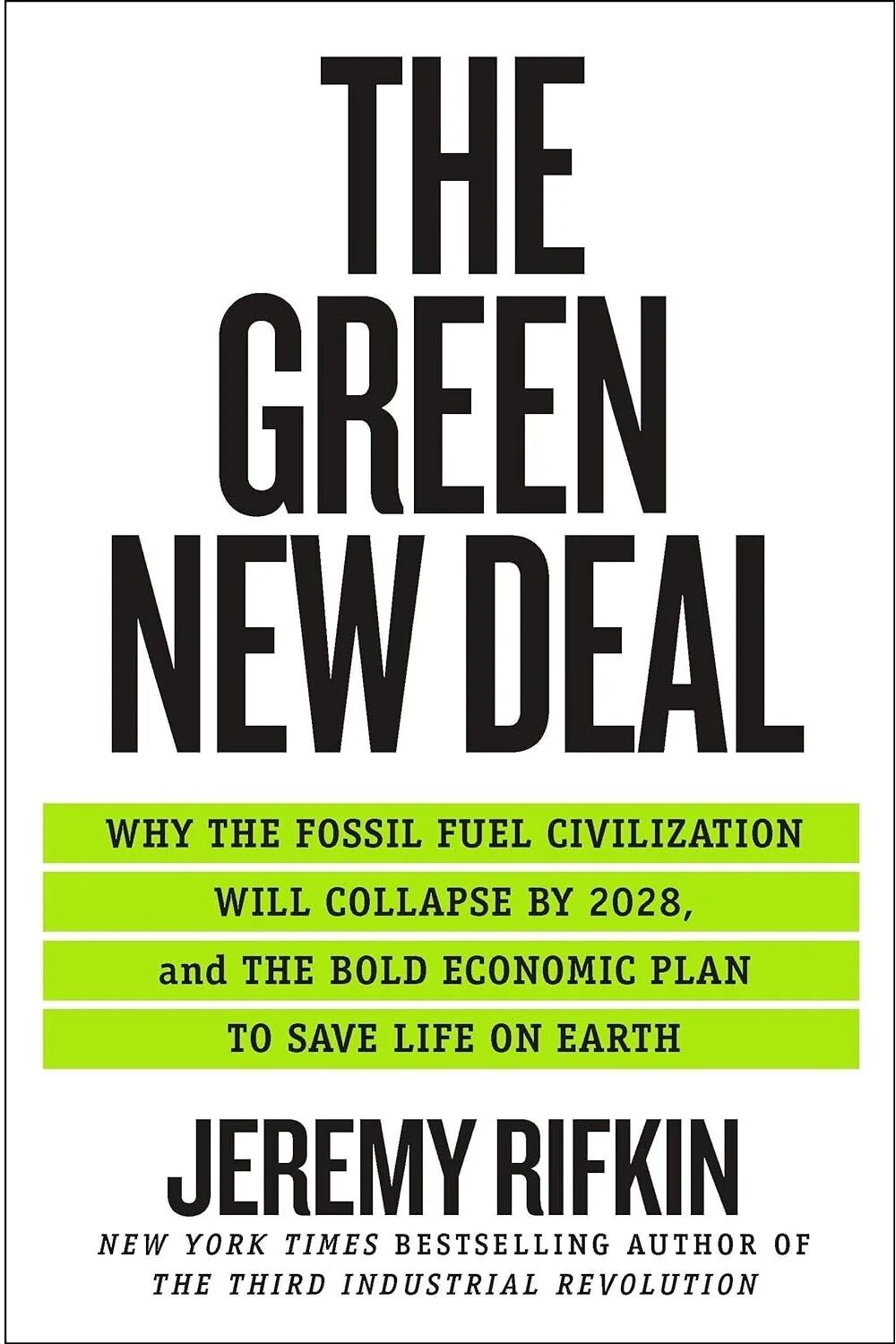
St. Martin's Press The Green New Deal by Jeremy Rifkin - Hardback Non Fiction - Bold Economic Plan for Climate Change and a Post-Carbon FutureThe Green New Deal by Jeremy Rifkin is a non-fiction hardback book that presents an urgent case for why the fossil fuel era is heading for collapse. Written by a New York Times bestselling economic theorist, this book offers sharp analysis for readers interested in climate policy, sustainable economics, and the future of global energy markets. Jeremy Rifkin argues that a convergence of collapsing fossil fuel asset values and a rising green political movement creates a genuine opportunity to pivot the global economy away from carbon before catastrophic climate tipping points are reached. Drawing on twenty-five years of experience helping design Green New Deal-style transitions for the European Union and China, Rifkin explains how a bold economic plan can steer society toward a post-carbon future. Published by St. Martin's Press, this book is suitable for adult readers interested in non-fiction topics.5,99 £*Shipping: 2,99 £Secure redirect to the provider
-
Research-powered Eye Duo - Skincare Kit Charlotte Tilbury 2808 Charlotte's Research-powered Eye Duo Size:Darlings, unlock the secret to eyes that appear brighter, depuffed, smoother and younger with my Research-Powered Eye Duo! This CharlotteTilbury.com EXCLUSIVE skincare duo includes:94,05 £*Shipping: 0,00 £Secure redirect to the provider
-
How has the economic development evolved after reunification?
After reunification, East Germany underwent a period of economic transformation as it transitioned from a centrally planned economy to a market-oriented one. The process was challenging and led to a decline in industrial output and high unemployment rates in the East. However, significant investments were made in infrastructure, education, and industry, which eventually led to economic growth and convergence between East and West Germany. Today, the East German economy has made significant progress, with improved living standards and a more diversified economy, although disparities between the two regions still exist. **
-
How was the economic development in East Germany (DDR)?
After World War II, East Germany (DDR) experienced rapid industrialization and economic growth under Soviet influence. The government implemented a centrally planned economy, focusing on heavy industry and prioritizing production quotas over consumer goods. However, this led to inefficiencies, shortages, and a lack of innovation. Following the reunification of Germany in 1990, East Germany faced significant challenges in transitioning to a market economy, resulting in high unemployment and economic disparities between the East and West. **
-
What are exogenous and endogenous causes of economic development?
Exogenous causes of economic development refer to external factors that influence a country's economic growth, such as global economic conditions, technological advancements, and international trade agreements. On the other hand, endogenous causes of economic development are internal factors within a country that drive economic growth, such as human capital development, infrastructure investments, and institutional reforms. Both exogenous and endogenous causes play a significant role in shaping a country's economic development trajectory. **
-
What is the research question about the economic miracle?
The research question about the economic miracle typically focuses on understanding the factors that contributed to the rapid economic growth and development experienced by certain countries, such as Japan, South Korea, and Taiwan, in the post-World War II era. Researchers seek to uncover the specific policies, strategies, and conditions that enabled these countries to achieve such remarkable economic success in a relatively short period of time. By examining these case studies, scholars aim to draw lessons and insights that can be applied to other developing nations seeking to replicate similar economic miracles. **
* All prices are inclusive of VAT and, if applicable, plus shipping costs. The offer information is based on the details provided by the respective shop and is updated through automated processes. Real-time updates do not occur, so deviations can occur in individual cases. ** Note: Parts of this content were created by AI.